
Interest Rates: How'd They Come Up With That?
Posted: October 05, 2017 by Melanie Cameron
How'd they come up with that?
After the lender shows them their mortgage's interest rate, all homebuyers—especially first-time homebuyers—have asked themselves that question. Well, the answer isn’t too complicated. You’re a pretty trustworthy person. Your friends trust you. Your family trusts you. Even a few acquaintances and strangers trust you. The loan officer who handles your mortgage might actually trust you too. But the owner of the purse strings does not.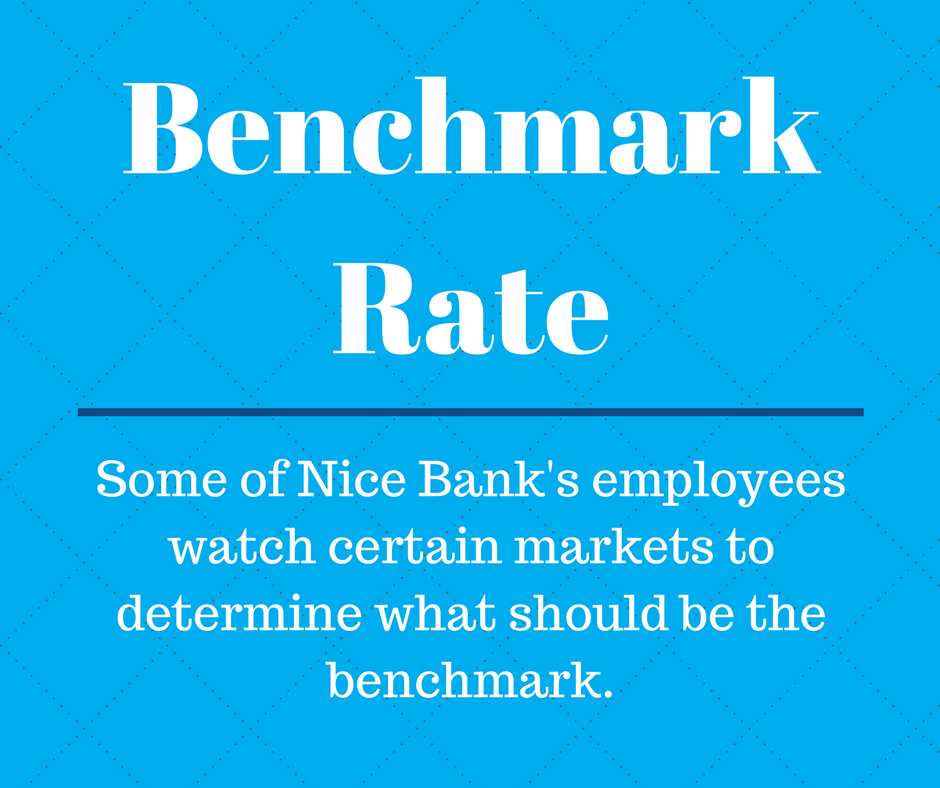 Mortgage rates for different companies—Wells Fargo, Citi Bank, a number of regional and local ones, etc.—all base their rates on a single thing known as a benchmark. It’s different for different types of mortgages, but the companies usually use certain indexes for adjustable rate mortgages or treasury bills for fixed rate mortgages. And even those can be broken down further, but it’s an unnecessary rabbit hole.
So, the loaner will find whatever is the most recent value for their benchmark, and then they’ll start adding to that value. And they have a very good reason for doing that. There are essentially five factors that they then include, known as “premiums.”
 Say you are buying a $250,000 house and taking out a loan at Nice Bank. As a business, Nice Bank is going to need that $250,000 back with some interest, because it needs pay its business expenses and employees. Nice Bank is not trying to pull the wool over your eyes. It’s essentially choosing to invest in you for the next 30 years.
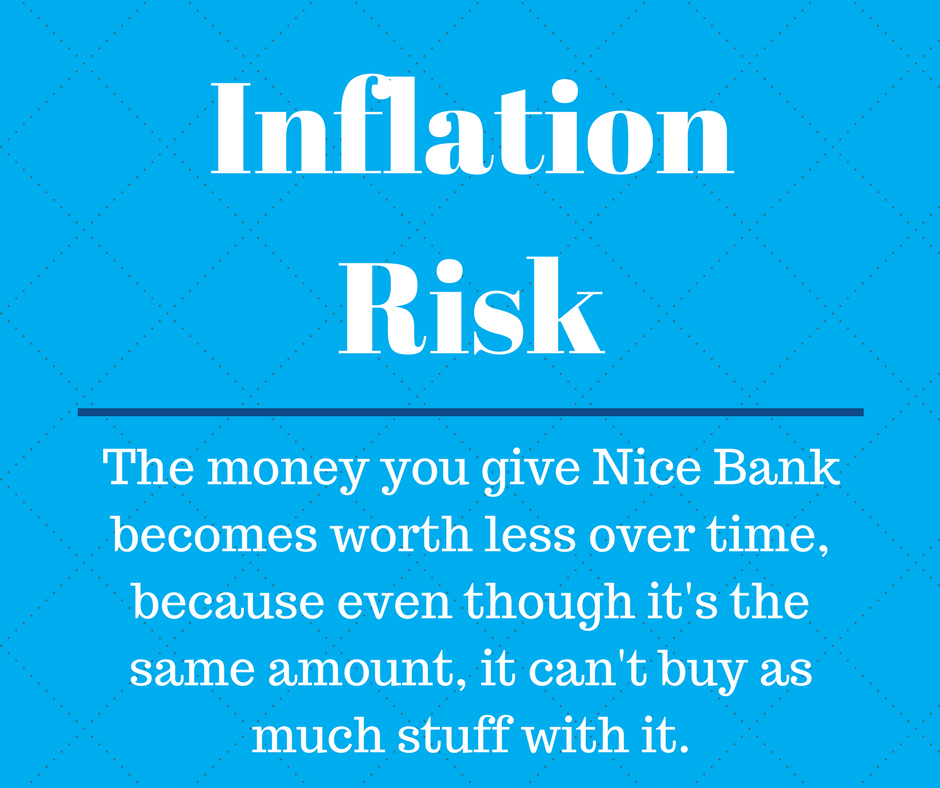
Of that $250,000 price, you’re putting down 10%, so you’ll be borrowing $225,000. Over the next 30 years, you will pay back Nice Bank. But over those 30 years, inflation will make the money you give them worth less. Because you’re giving them the same amount of money but all the prices are higher, they can’t buy as much stuff. So Nice Bank needs a little something extra to cover that. This is known as an inflation premium.
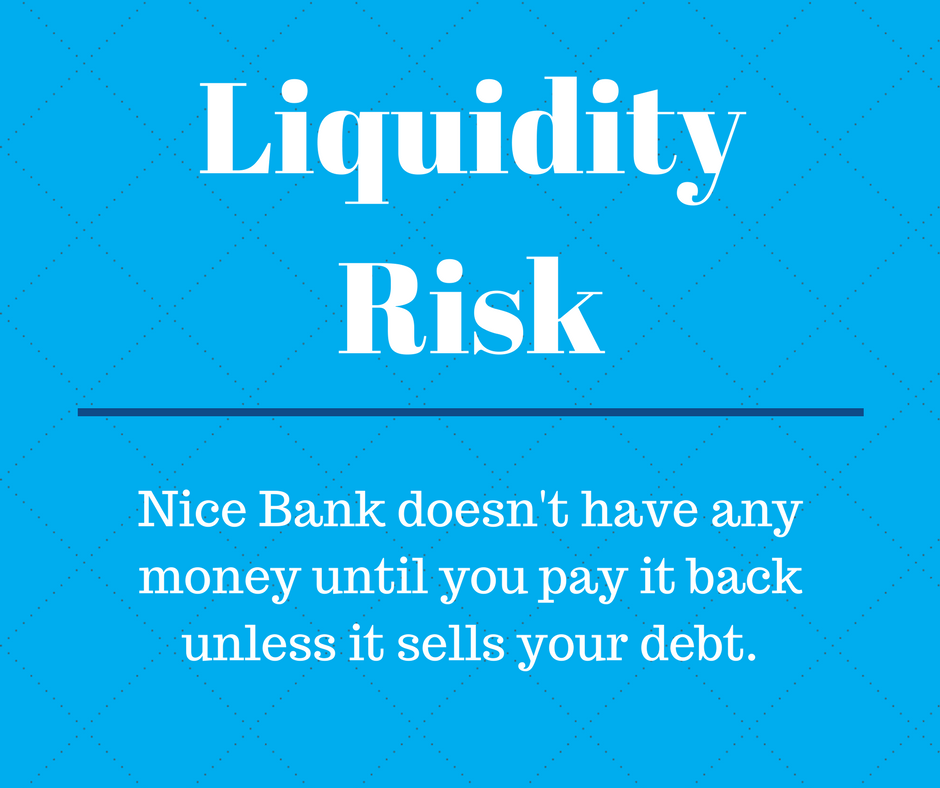 Nice Bank notices that you have a good job and make decent money. It likes that. That means you’re probably going to pay it back. Because of this, you get a low liquidity premium. Liquidity just means how easily can Nice Bank turn your loan into cold, hard, hold-it-in-your-hand cash. And it’s a lot easier to do that if Nice Bank is confident you’ll pay them back.
Without going into a lot of detail, here’s what Nice Bank will do with your mortgage. Nice Bank will ask Nice Bank #2 if they would like to buy your debt. Since you have a great job and great credit, Nice Bank #2 will buy the debt from Nice Bank for the loan price plus some extra. Nice Bank has now made some pretty easy money in two days by giving you the loan and selling the debt to Nice Bank #2. If you haven’t seen The Big Short, then 1) it won an Oscar, so go watch it and 2) it also explains how this works in more detail.
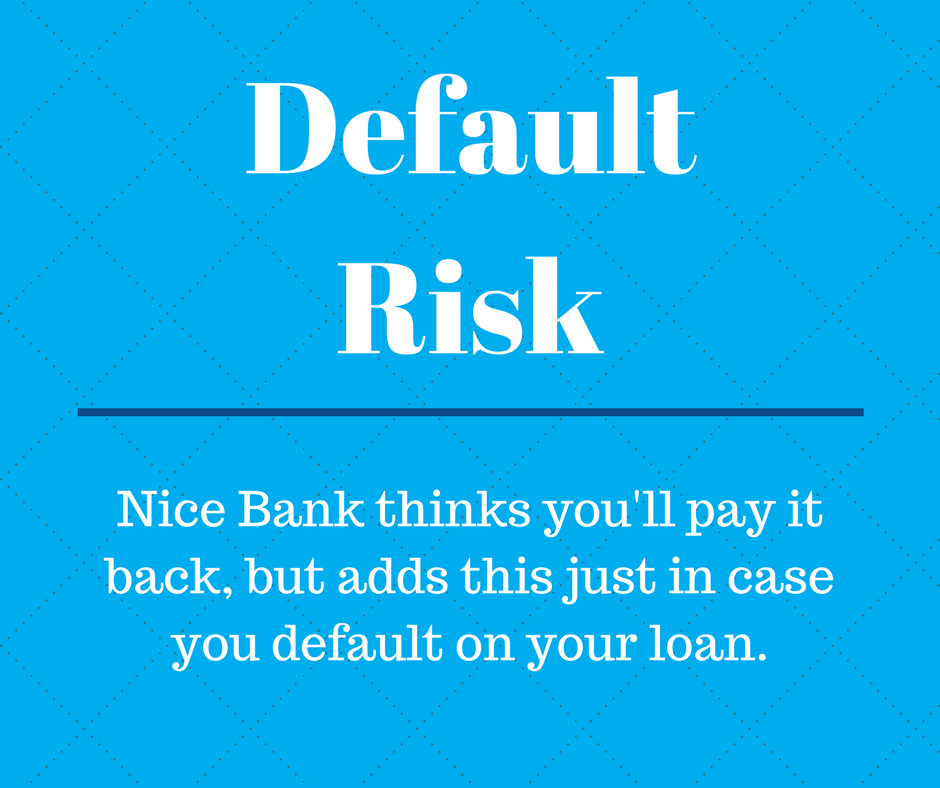 And it’s all because you’re a good borrower. Good borrower = lower liquidity premium. Bad borrower = higher liquidity premium. Each bank has a different way of figuring this out, but it is usually dependent on your job, credit score, and a few other factors. And because you’re a good borrower, you also get a lower default risk premium. If for whatever reason you aren’t able to pay your mortgage, you will default on your loan, meaning Nice Bank will get your house. But you’re a good borrower, so Nice Bank isn’t worried about you defaulting, which is why it gives you a lower default risk premium.
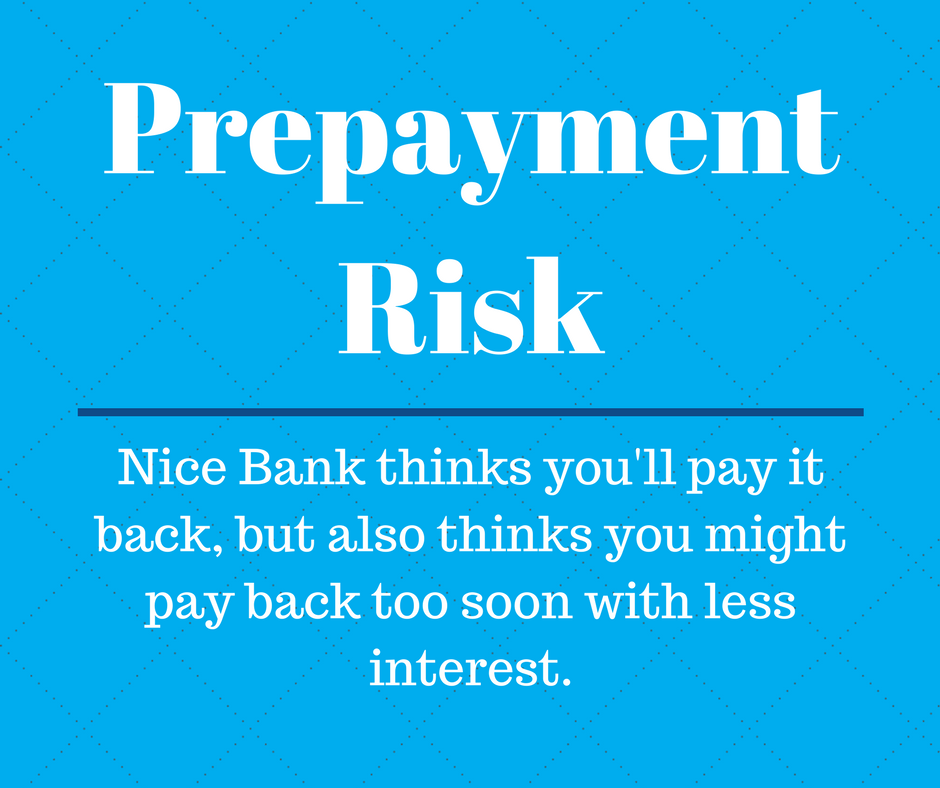 However, there is a slight downside to your good job where you make decent money. Nice Bank wonders if your job might be a little too good. It thinks that you might be pretty savvy with your money. So savvy that you might start saving up each month until you have enough money to pay off your loan in 15 years instead of 30, which means Nice Bank won’t be collecting interest from your loan for the next 15 years. It doesn’t think you would do it, but it needs a little penny for its trouble just in case. This is known as a prepayment risk premium.
Finally, Nice Bank is wondering about the homebuyer buying a house a month from now. Right now, we’ll say Nice Bank’s benchmark is at 2.5%, which is a great, low rate for you even with the other premiums they’ll add on there. However, Nice Bank thinks about that homebuyer a month from now who will be borrowing the exact same amount of money as you. That homebuyer also has almost the exact same job, income, and credit score. But Nice Bank thinks the benchmark might go up in a month to 3.0%.
 If Nice Bank gives you the money now though, it won’t have enough to give the homebuyer next month. Not to mention, 30 years is a really long time for you to hang on to Nice Bank’s money. For that reason, they’re going to give you a maturity risk premium. Though it may seem unfair, the maturity risk premium is for things that aren't your fault. You can't help that interest rates skyrocket after you get your loan. If the US economy suffers from rampant inflation well beyond the inflation risk premium, you didn't plan that. It's not your fault, but a maturity risk premium is for all the things that can go wrong in the next 30 years you will be using Nice Bank's money.
Maturity just refers to the length of time for your loan. When you reach the end of your 30 -year mortgage, your loan is said to have “matured.” The longer your loan, the higher your maturity risk premium will be, and vice versa, which makes sense when you think about it. A 30-year mortgage is a longer period of time for things to go wrong than a 15-year mortgage. 30 years is the usual standard for mortgages, but it might make sense for you to do a shorter one to get a lower interest rate.
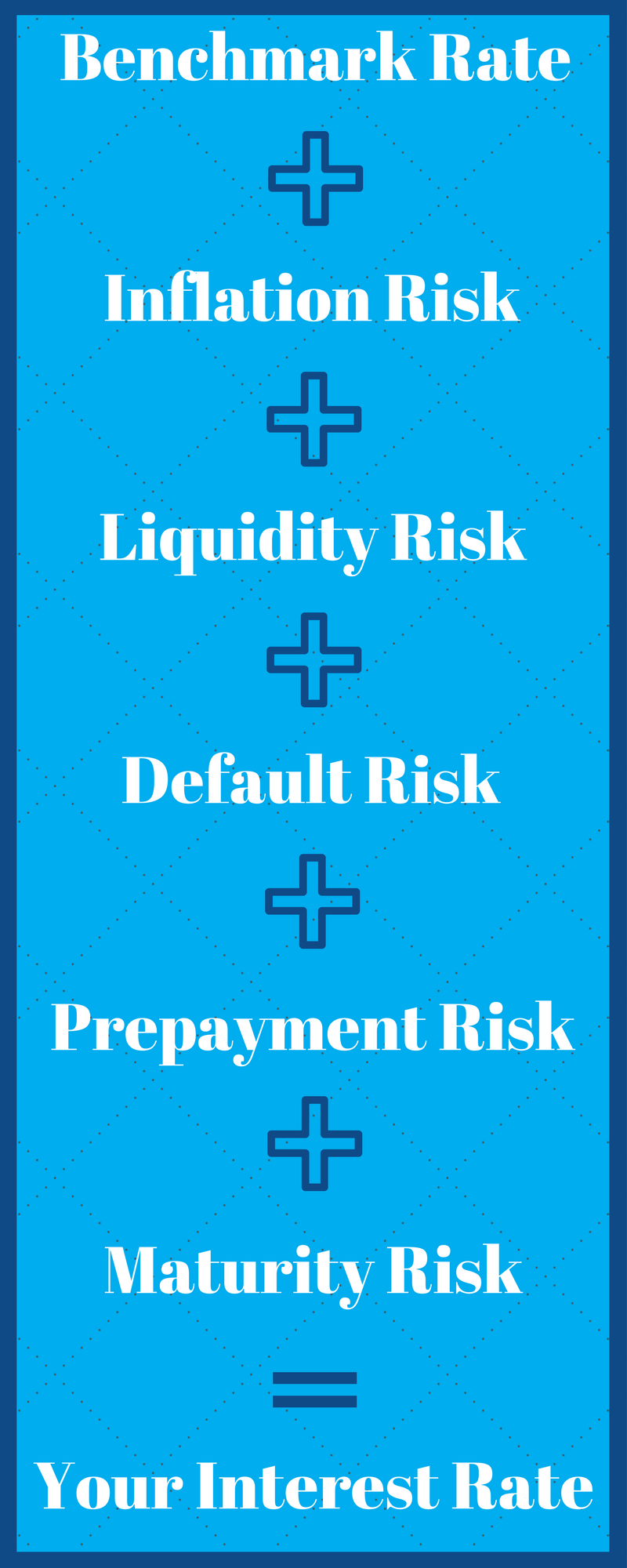 These are the five premiums associated with your mortgage’s interest rate. Inflation, liquidity, default, prepayment, and maturity risk all reflect the risks Nice Bank will take by loaning you the money, and as such, they deserve something in return. Loan officers won’t always know the ins and outs of these premiums. Often times, there are other people that work with Nice Bank and determine the benchmark and risk premiums. And I wouldn’t hold your breath on them divulging all their secrets.
That being said, you can still do your homework. Depending upon where you live, there are probably more than a few lending institutions. Ask all of them to give you what their interest rate would be. If the first place you go gives you 4%, but every other one is closer to 3.5%, then there might be something fishy about that first one. Bankrate is a pretty good website that will give you an idea of what to expect when it comes to interest rates.
If you already have an idea of the house you want and what your interest rate might be, you can try our mortgage calculator to give you an estimate of your monthly payment and breakdown your payment plan. Additional resources are also available. Our Home Valuation tool gives you an idea of how much your current house might be worth. Our Perfect Home Finder finds listings that match your preferences. And our Buyer and Seller Guides cover everything you might need to know about the buying and selling process.
For more information on mortgages, real estate in the area, or starting your home search, contact The Cameron Team today.
Save